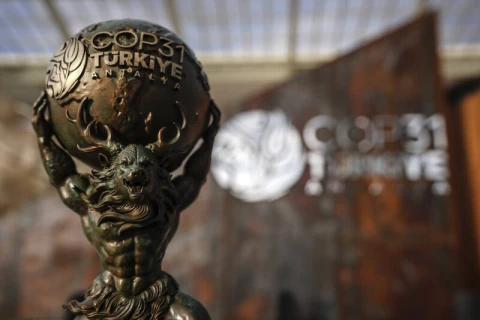
COP31 and A Dying World Order
The COP31 took place against the backdrop of the US-Israel conflict with Iran, which sent oil prices surging past $117 a barrel.

The COP31 took place against the backdrop of the US-Israel conflict with Iran, which sent oil prices surging past $117 a barrel.
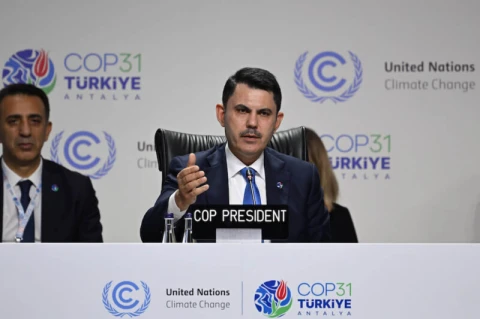
At COP31, Türkiye structured its Action Agenda around 10 core priorities bringing together governments, municipalities, financial institutions, businesses, scientists, and civil society.
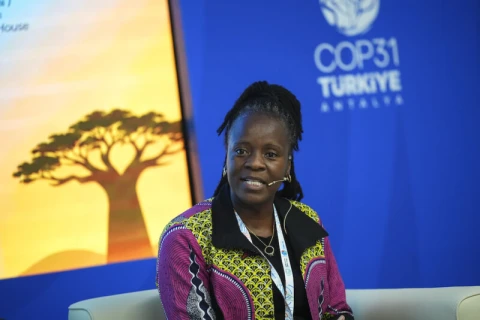
Africa is coming to Antalya with a clearly defined agenda. In a preparatory meeting in Nairobi in early October, the chair of the African Group of Negotiators (AGN) said Antalya should not become another cycle of new promises.
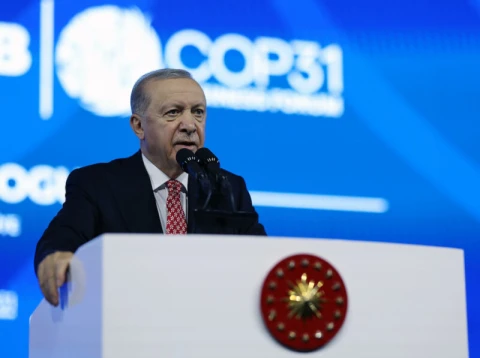
Erdoğan described COP31 as an implementation-focused summit and welcomed backing for the “35x35 Global Electrification Pledge.”
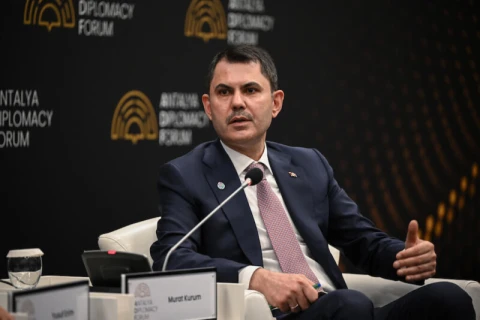
Türkiye prepares to host and preside over COP31 in the Mediterranean city of Antalya this November.
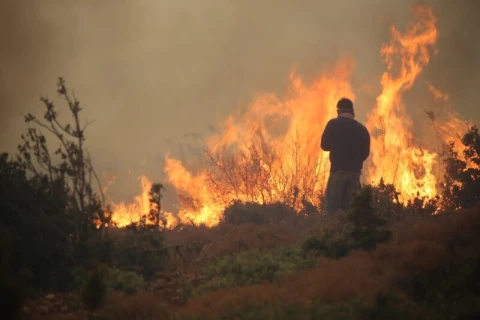
Extreme heat intensified drought conditions in many regions by accelerating evaporation rates.

Brazil’s host city of COP30 pushes a rainforest-based development model, aiming to prove that sustainable industry can generate jobs while protecting the Amazon.
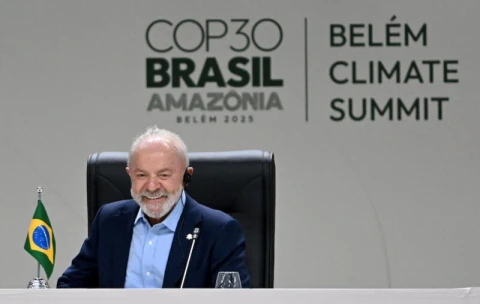
Lula warned that global efforts to address the climate emergency were being sabotaged by a “new wave of obscurantism.”

The UN stresses that momentum still lacks sufficient scale to change the global trajectory of warming.
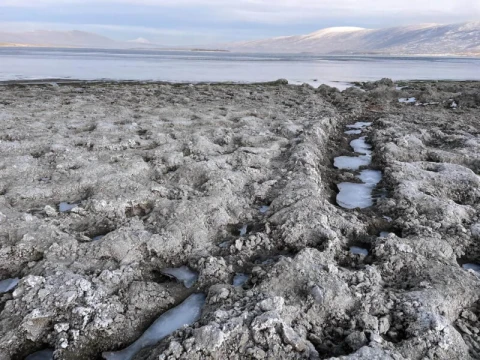
The Climate Law creates many opportunities for Turkey. Investments in green technologies could provide the country with a competitive economic advantage in the medium and long term.
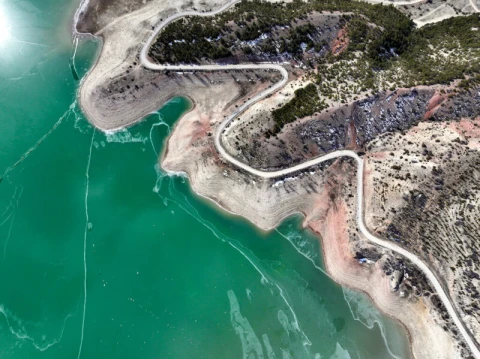
Over-extraction and persistent drought further strained supplies in regions like Africa, the Americas, and Australia.
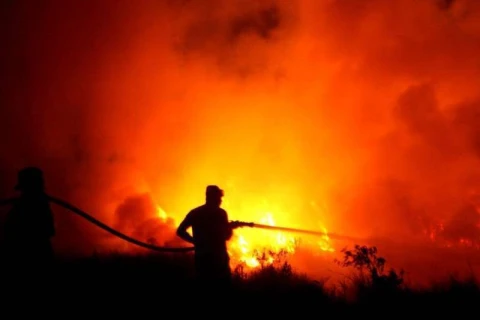
South American fires accounted for about one-quarter of the planet’s total fire-related tree loss.
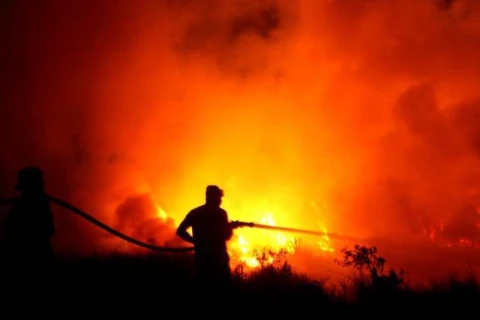
Indonesia's status as one of the largest global emitters of greenhouse gases underscores the environmental toll of its activities.
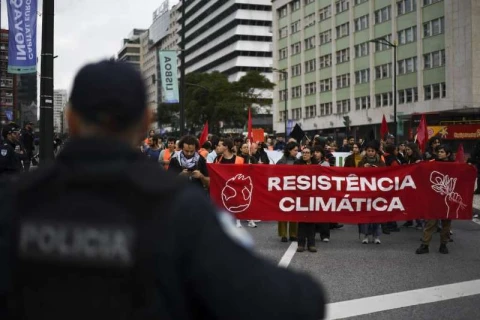
The year 2023 has already been marked by record-breaking temperatures each month since July, making it the warmest year on record.
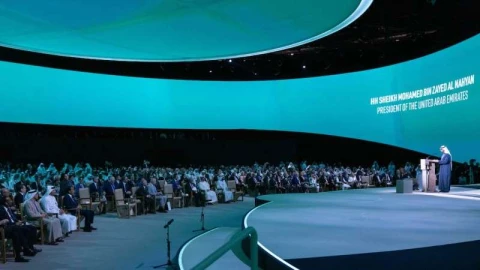
Turkey, China, India, and South Africa—key players in global energy markets—didn't sign the renewable energy pledge.
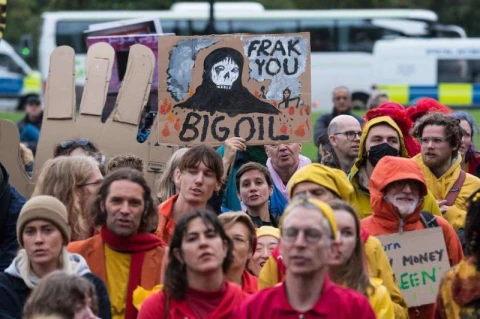
To align with the Paris Agreement’s 2°C goal, emissions in 2030 must still decrease by 28%, and by 42% to meet the ambitious 1.5°C pathway.
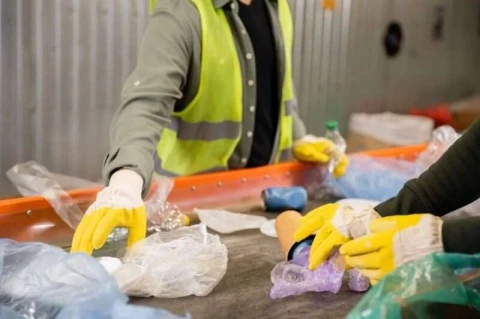
The European Union has agreed a revision of its waste shipment rules, which will restrict the export of certain types of waste to other countries.
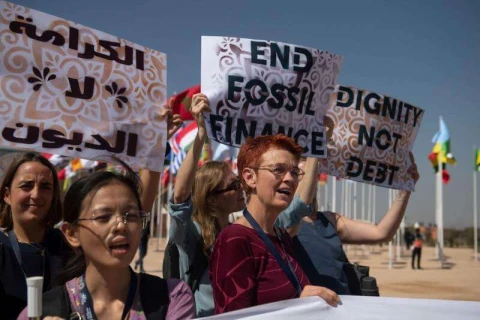
The report pinpoints that currently, 1 billion people reside in 42 countries already facing severe food insecurity, with a quarter of the global population without regular access to safe drinking water.