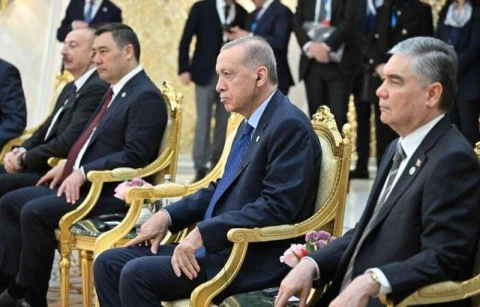
A New Balance in Central Asia?
Since 2023, China, the EU, Qatar, Saudi Arabia, Germany, the US, and the UK have convened key summits and bilateral meetings to enhance cooperation with Central Asian states.

Since 2023, China, the EU, Qatar, Saudi Arabia, Germany, the US, and the UK have convened key summits and bilateral meetings to enhance cooperation with Central Asian states.
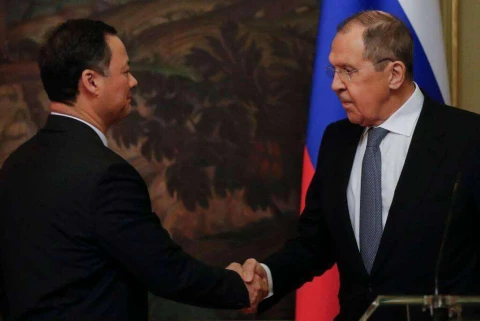
Central Asian countries are using the cover of official state neutrality to escape the ire of parties involved in the ongoing war.
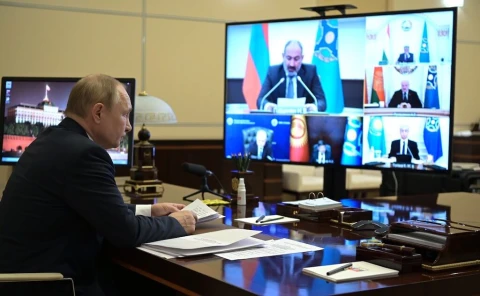
China is the likeliest beneficiary of Russia’s isolation. In Central Asia, Beijing’s regional presence will increase even further.
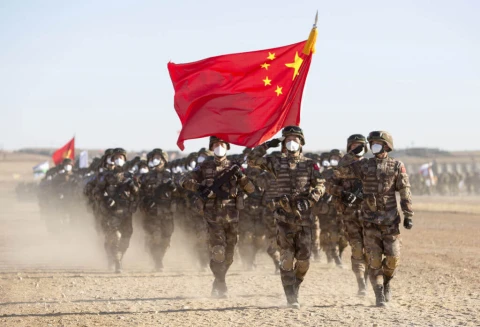
With massive Chinese economic investments in Central Asia, Russia slowly but steadily started losing ground in its "near abroad."
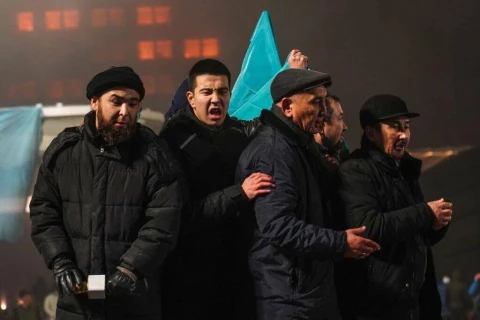
No doubt, the increase of Russian influence in Central Asia will have consequences on Turkey’s Central Asia policy.
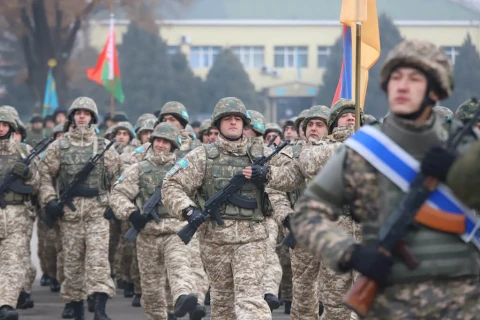
With Russia’s “Pivot to Asia” strategy, Central Asia now is playing a more notable role in Russian foreign policy.
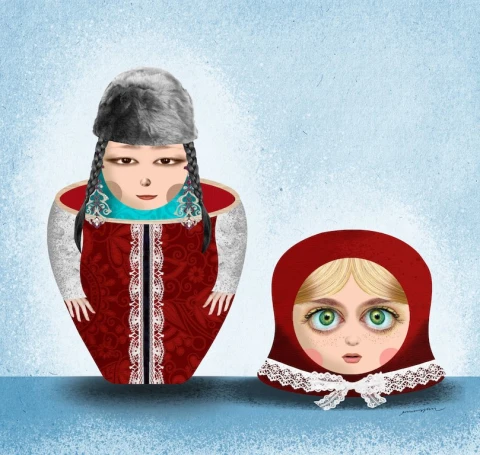
Days of the undisputed Russian cultural hegemony in Central Asia are over and now it is time to focus on the common future.
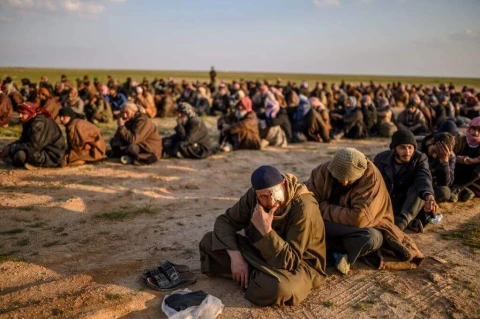
While much as the world is concerned with European foreign fighters, it should also be looking at the issue of terrorists from Central Asian states who were some of the most infamous fighters of Daesh.
The transnational networks of FETO may eventually become a Messianic elite diaspora network that may not only threaten Turkey’s interests but also manipulate the politics of the host countries.