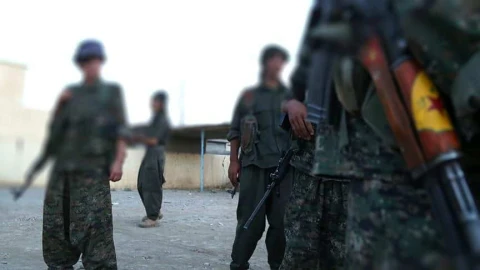
Assad offers autonomy to the PYD
The Assad regime reportedly offered autonomy to the PKK/PYD terrorist group in return for withdrawal from areas under its control, but the organization has demanded a federation status instead.

The Assad regime reportedly offered autonomy to the PKK/PYD terrorist group in return for withdrawal from areas under its control, but the organization has demanded a federation status instead.
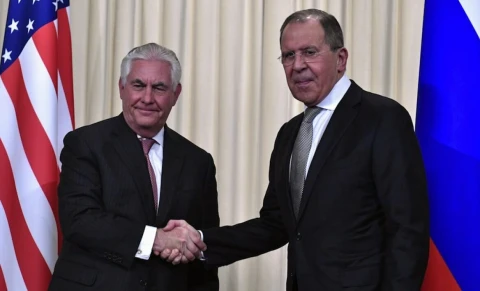
Turkey should be neither too pessimist nor too optimist especially after Rex Tillerson’s statements on Syria, which were recently laid out after a joint press conference with Russian counter-part Lavrov. Tillerson underlined the urgency of Assad’s departure, however he added that the US is not going to lead it. His statement is a good summary of the American position, in that it is standing up for Syria. The next step should be to realize that Turkey has a clear strategic advantage and can become that leading figure on the Syrian battleground needed to remove Assad.
Obviously, peace talks, whether held in Geneva or Astana, will bolster the truce in the near future, so in a way the talks lost the structural function in the battleground as an effective way of welcoming the truce. It seems that consecutive peace talks are being appealed to in order to cover the humanitarian tragedy especially apparent in Damascus.
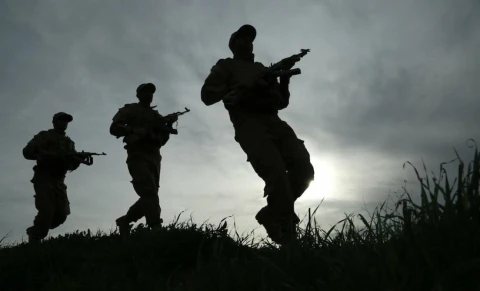
Turkish authorities and Syrian rebels signaled that they will go for Manbij and it is not for sure if the Assad regime and Russia will risk an escalation with Turkey or if they would give up the YPG-control over Manbij like the US.
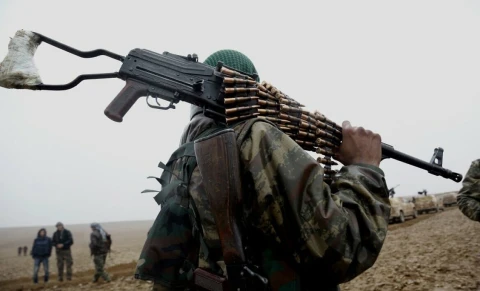
The civil war will not end in Syria after the fall of Aleppo, but the relationship between local actors and external actors will determine the fate of the war at least in North Western Syria.
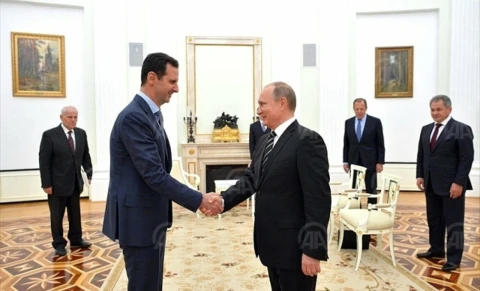
In the last five years Russia has been a keen supporter of Bashar Assad and eventually, decided to intervene militarily in Syria and as it claimed to fight terrorism and takfirist groups. But why did the Kremlin actually intervene? What is the truth about its intentions? And most importantly, how should we read this intervention?