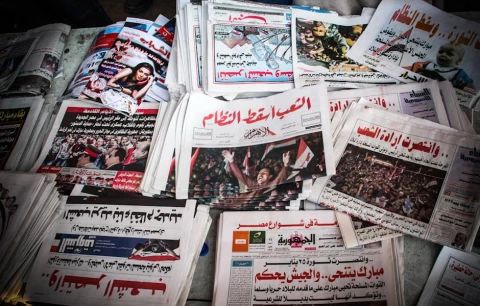
How the Egyptian Press Views a Possible Egyptian-Turkish Reconciliation
News on a possible diplomatic reconciliation between Egypt and Turkey received a mixed reception by the public and divided media platforms in Egypt.

News on a possible diplomatic reconciliation between Egypt and Turkey received a mixed reception by the public and divided media platforms in Egypt.
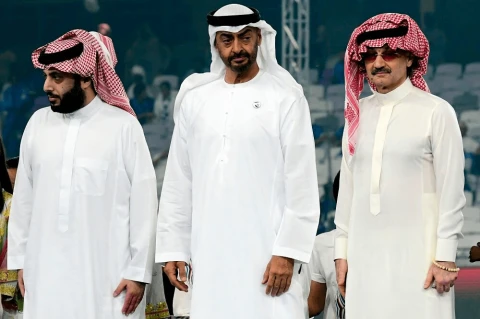
Counter-revolutionary policies of the Sisi regime in Egypt have been supported by Saudi Arabia and the UAE. Egyptian football fans are targeted by this Saudi-UAE supported witch hunt thanks to the presence and involvement of Turki Al-Sheikh in Egyptian football.
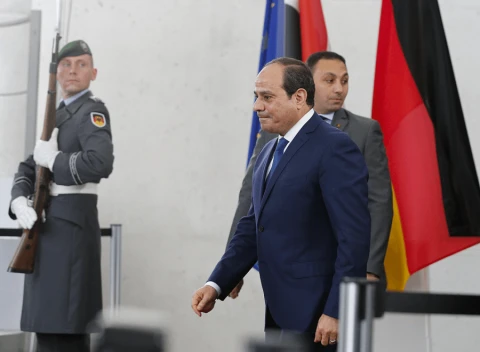
How was it possible to grant the Medal of St. George to Egypt’s president Abdel Fattah al-Sisi, a true dictator, and to describe him as a person who looks for dialogue between all parties and a hope for Egyptians?
Sisi’s regime has not been able to provide political stability, find a solution to the economic crisis, and prevent deepening social inequalities and many Egyptians are willing to take the risk to make their voices heard.
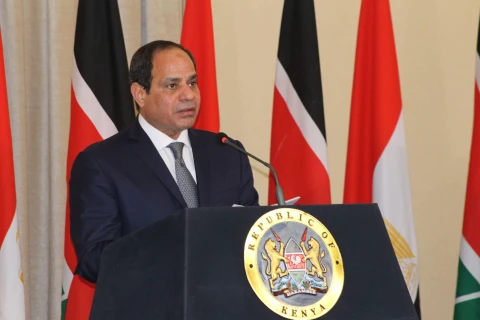
There are two major reasons for the increasing discontent towards the Sisi regime. First, Egyptians and the international community believe that the Sisi regime is moving country to a more authoritarian stance. The second reason for this increasing discontent is the mismanagement of the Sisi regime.
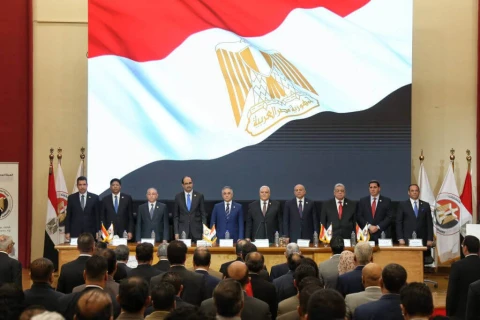
The support that the U.S. and other European countries have shown for Sisi has encouraged Cairo to institutionalize its authoritarian rule. The referendum was an important step in this regard.
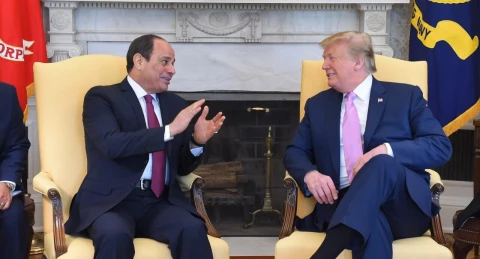
During the press conference when it was asked whether Sisi should remain as president until 2034, Trump confidently said: “Sisi is a great president and is doing a great job.” This statement alone proved the fact that the Trump administration will continue to ignore the human rights abuses and undemocratic practices in Egypt in exchange to Sisi’s loyalty to U.S. leadership in regional politics.

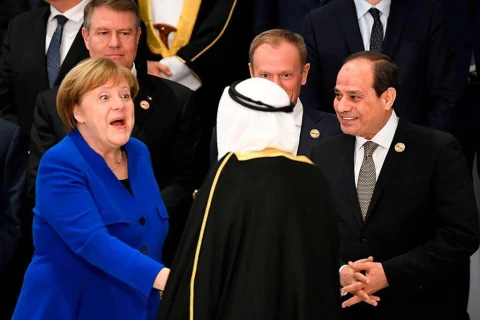
Norbert Röttgen, Germany’s Chair of the Foreign Affairs Committee, described the Venezuelan President Maduro as a dictator while German foreign minister Heiko Maas preferred the term “Maduro regime” – all these taking place when Merkel came together with Egypt’s authoritarian leader.
Sisi’s harsh stance against the civil opposition in the country and the increasing brutality may push opponents to radicalization, which will eventually lead to further cycles of violence. Such an undesired scenario would also affect Europe as the increasing chaos would spill over to the continent through various ways and methods. It is therefore of great importance for the EU to re-consider its policy towards Egypt’s authoritarian regime.
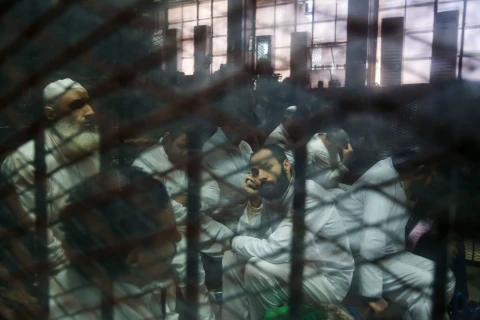
Unlike the toppled president Morsi, Sisi has nothing else other than Western support. Those nine young men would be alive with their families today if only the West had not supported Sisi.
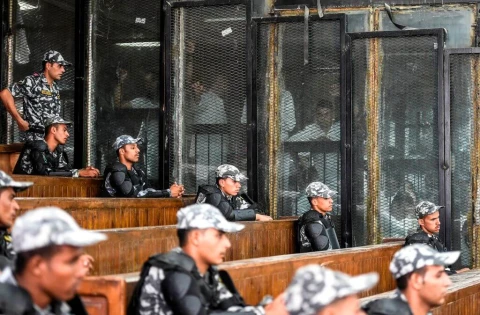
Since Sisi assumed power, the Egyptian judiciary has served to legitimate and facilitate the authoritarian rule. Other than a feigned opposition against the transfer of two islands - Sanafir and Tiran – to Saudi Arabia in 2016, the Egyptian judiciary has served as a channel through which Sisi presses his oppression.
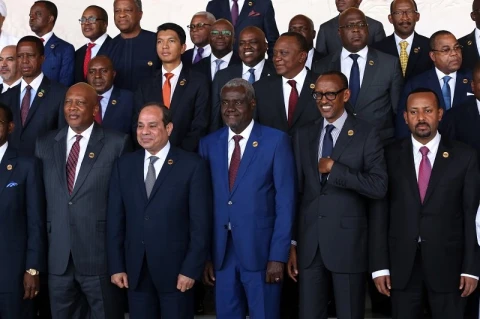
Egypt is regaining its powerful position in Africa’s political, social, and economic landscape. A reason behind Egypt's renewed interest in African politics is to prevent other regional actors such as Turkey and Qatar – Egypt’s two main rivals – to have any influence in the continent.
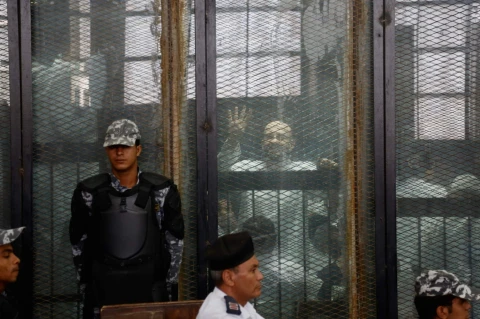
It’s clear that the current regime in Egypt – far from any form of democratization – dragged the country into a more totalitarian rule.
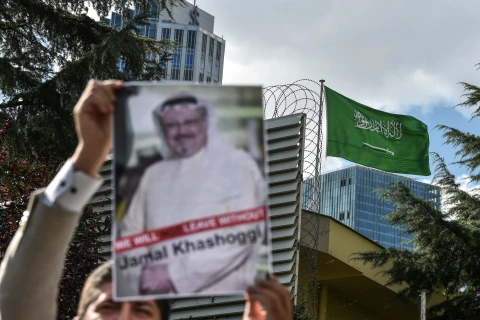
The practice of “enforced disappearance,” which has been employed by countries such as Egypt and Saudi Arabia, against the dissidents of the regime, is against human rights and is considered a crime against humanity under international law.
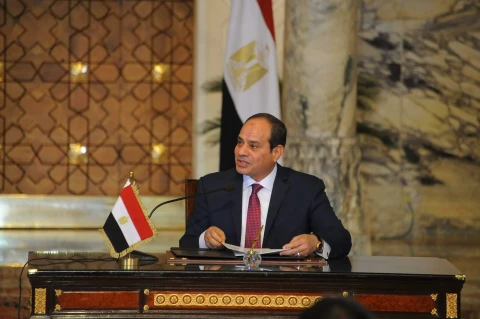
Unlike previous initiatives that were mainly focused on Islamic movements, the Sisi regime will be targeting secular and socialist opposition, hoping to permanently eliminate all kinds of opposition towards the regime.

The presidential elections in Egypt in March 2018 is a new step toward consolidating the oppressive regime, which was established with a global political support rather than a step towards democratization.