The Social Impact of War in Iran: Fracture and Uncertainty
The Iranian people entered the February 2026 war carrying heavy problems and deep social wounds that had accumulated over many years.

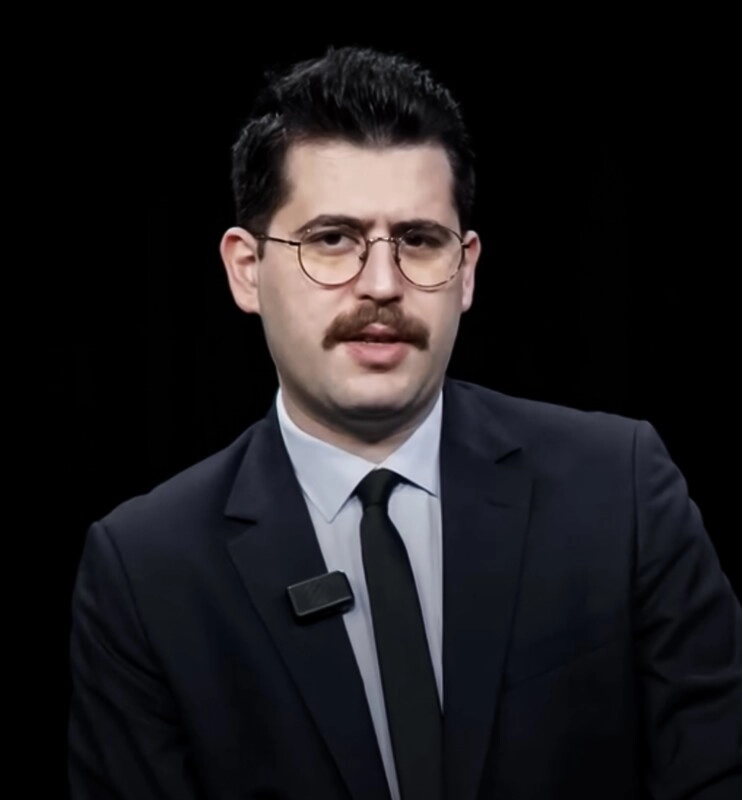
Yusuf Sosar is a Turkish journalist and Middle East news producer at TRT World. A native-level Farsi (Persian) speaker, he is also fluent in Arabic and English, holding a degree in Arabic Language and Literature from Shahid Beheshti University in Tehran. He began his career as an official translator in Iran and Türkiye before transitioning into journalism in 2019 with TRT Arabi, where he worked as a field news producer covering stories across multiple countries.
Currently serving on the MENA Desk at TRT World, Sosar produces and plans news content while also appearing as a presenter on TRT Farsi. Across the TRT network, he regularly produces and presents stories in Farsi, Arabic, English, and Turkish, bringing a multilingual and on-the-ground perspective to regional coverage.
The Iranian people entered the February 2026 war carrying heavy problems and deep social wounds that had accumulated over many years.
Thanks to its multi-layered political and military system, which has been intertwined with religious and ideological beliefs for decades, Iran was able to avert a serious crisis that could have triggered its collapse.
The most significant factor in Iran’s unexpected successful resistance against the US-Israel coalition and its ability to sustain the war was the assassination of the Supreme Leader on the very first day of the conflict.