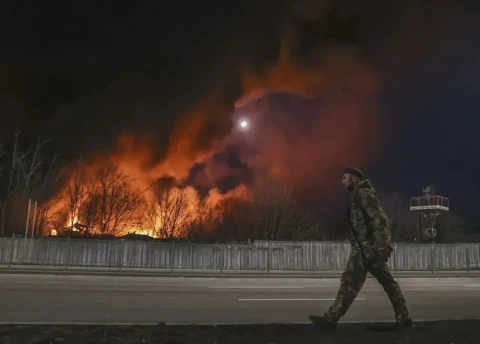
Power Politics and Moral Accountability
Russia isnot behaving as the second-rate player Washington envisioned, but as the assertive Eurasian power it has always aspired to become.


Russia isnot behaving as the second-rate player Washington envisioned, but as the assertive Eurasian power it has always aspired to become.
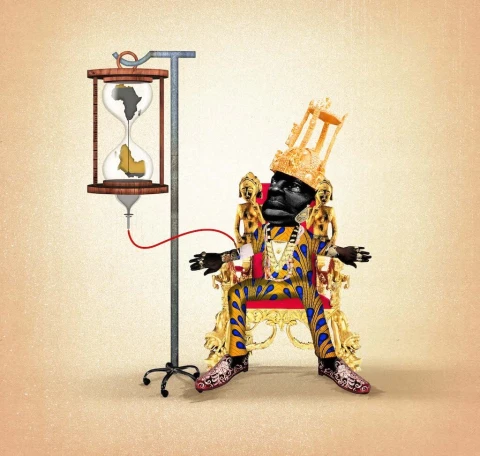
In a post-American world, what is the optimal number of rivals for a multipolar balance of power? Can stable alliances or concerts of powers substitute for absent hegemons?
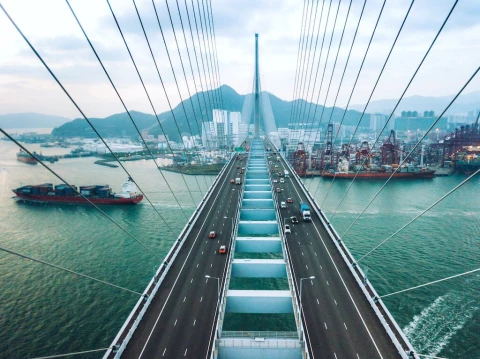
For Americans, participating in the New Silk Road should not be seen as a defeat or loss of standing in the international order but rather as a chance to lead in bettering the world.
If you can’t lick ‘em, join ‘em. Share in the credit, avoid being a spoiler, and don’t have sour grapes.
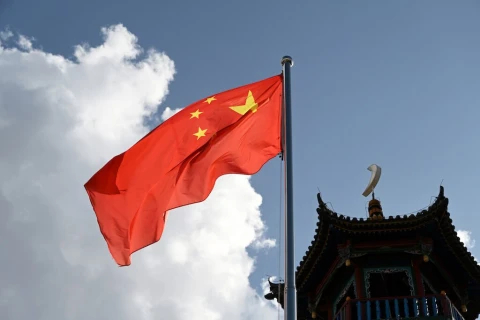
When China’s rulers feel that control is slipping through their fingers, they focus on two nemeses that seem to generate the deepest troubles: the United States and the Islamic world.