Ankara After Washington and Tehran: Iraq’s Path to Development
Looking at Zaidi’s initial foreign policy moves, he is seeking investment from Washington, political balance from Tehran and economic links from Ankara.

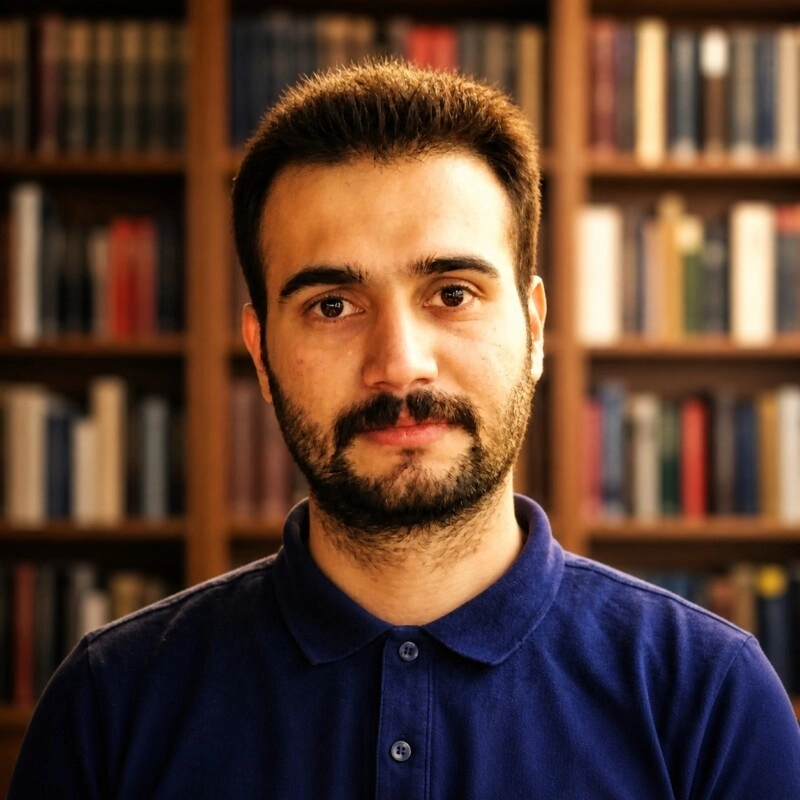
After completing his bachelor’s degree in International Relations at Sakarya University in 2012, Recep Tayyip Gürler began his master’s studies in the Department of Middle Eastern Studies at Sakarya University that same year and graduated with a master’s degree with a thesis titled “The Role of Shiite Actors in Iraqi Politics.” He subsequently completed his doctoral dissertation titled “Reflections of Lockean and Kantian Culture in Iraq’s Policy Toward Iran: Competition, Conflict, and Friendship (1958–2020).” Recep Tayyip Gürler began working as a research assistant at the Institute of Social Sciences at Sakarya University in 2012 and currently continues his work as an Assistant Professor at the Institute of Middle Eastern Studies. He teaches courses at the Institute of Middle Eastern Studies and the Department of International Relations within the Faculty of Political Sciences.
Looking at Zaidi’s initial foreign policy moves, he is seeking investment from Washington, political balance from Tehran and economic links from Ankara.
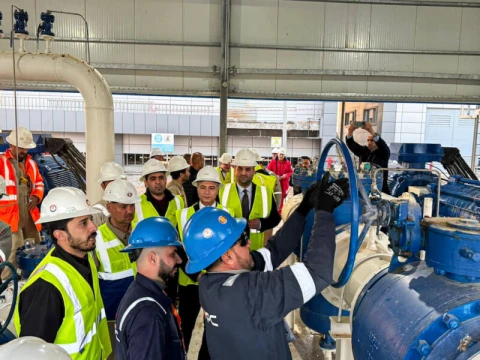
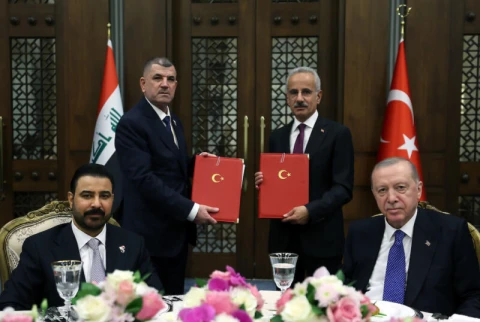
The topics on the agenda between Ankara and Baghdad point to a broader framework than merely the technical operation and capacity expansion of the Kirkuk–Ceyhan pipeline.
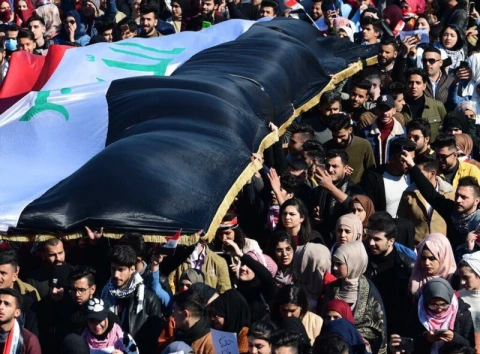
Born in Baghdad in 1986, Ali al-Zeydi is the youngest prime ministerial candidate in Iraqi history.