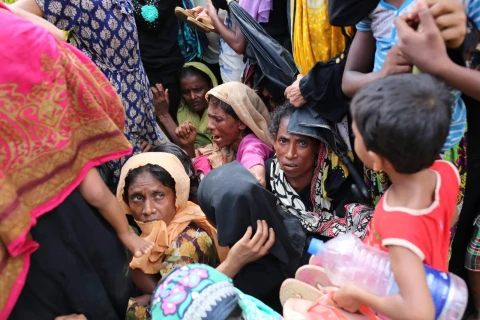
The ICJ Ruling on Rohingya Has Come Thus Far, Is It Far Enough?
The ICJ judges concluded that the only reasonable inference from the pattern of atrocities in 2017 was an intent to destroy the Rohingya.


The ICJ judges concluded that the only reasonable inference from the pattern of atrocities in 2017 was an intent to destroy the Rohingya.

The COP31 took place against the backdrop of the US-Israel conflict with Iran, which sent oil prices surging past $117 a barrel.

The modern Big Brother does not need a telescreen in every living room, it is enough to control the interconnected digital infrastructure.
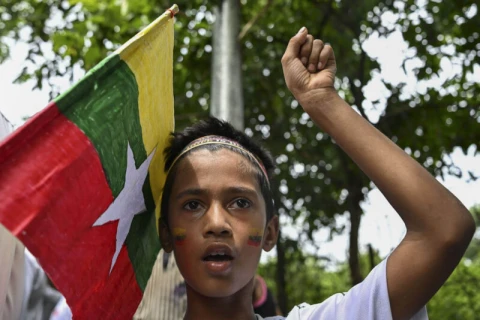
The Myanmar conflict is particularly complicated because the military junta in Naypyidaw is aligned with Moscow and Beijing, condemning its atrocities allows Western capitals to perform moral leadership at zero geopolitical cost.
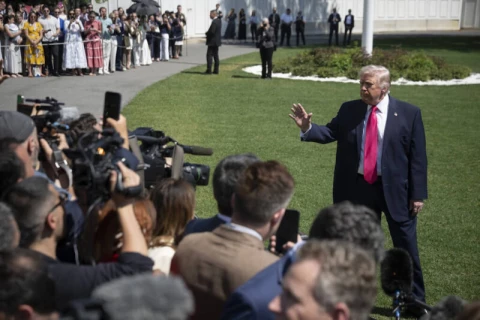
The attempt to construct a kinetic cage around Iran’s economy, relied on the flawed assumption that Iran would passively accept its own economic strangulation.
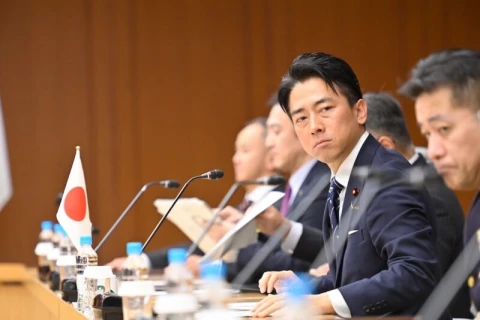
Tokyo still upholds its official non-nuclear principles, but its broader security posture is becoming more complex and strategically ambiguous than its public doctrine suggests.
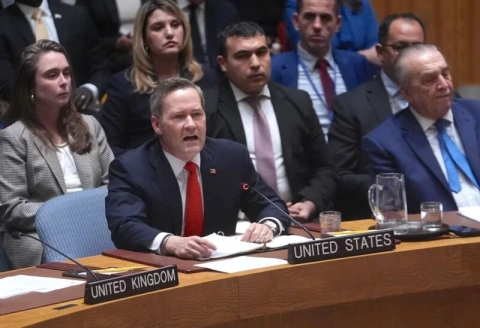
Washington has invoked the U.N. to confer legality and legitimacy on the use of force when multilateral authorization has aligned with U.S. strategic interests.
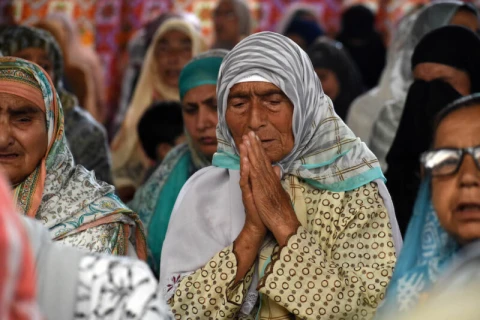
Duality is deeply ingrained in Kashmiri social life. People often communicate guardedly, carefully calibrating what they say, to whom, and in what setting.