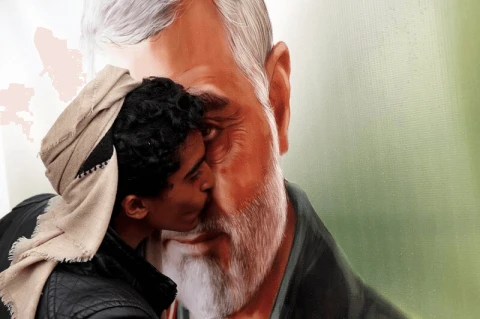
Regional Vulnerabilities Sharpen in the Aftermath of the US-Iran Escalation
The US-Iran showdown will definitely cause further destabilization of Iraq and cause a larger rift between Shiites, Sunnis and Kurds.

The US-Iran showdown will definitely cause further destabilization of Iraq and cause a larger rift between Shiites, Sunnis and Kurds.
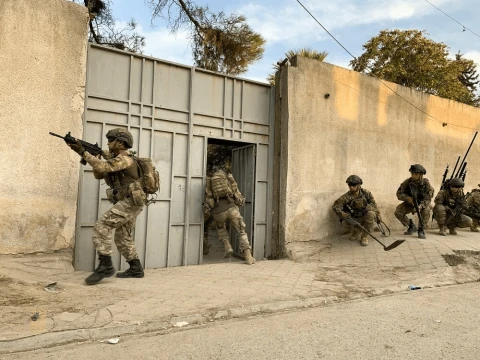
There is the likelihood that Operation Peace Spring might be resumed in the projected safe zone area if the PKK/PYD withdrawal is not successfully implemented as promised by the U.S.
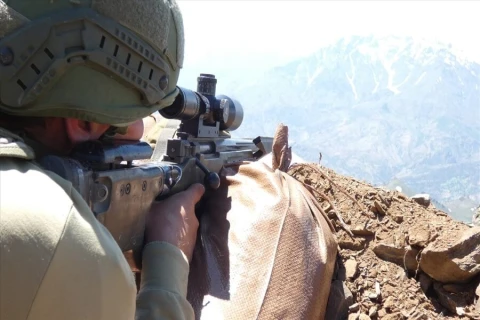
Operation Claw entered a new phase on July 12, 2019, by expanding its territorial scope into the east towards the Iranian border that leads the operation’s right flank more active.
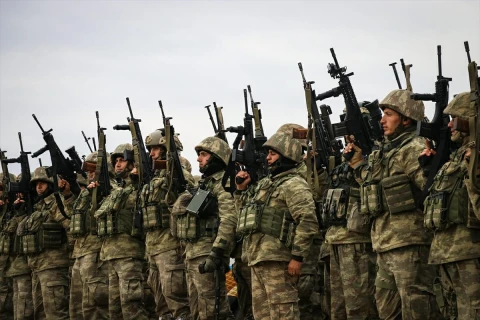
Operation Olive Branch must be assessed in two aspects: the role of the operation in Turkey's counter-terrorism policy and Ankara's role in the Middle East.
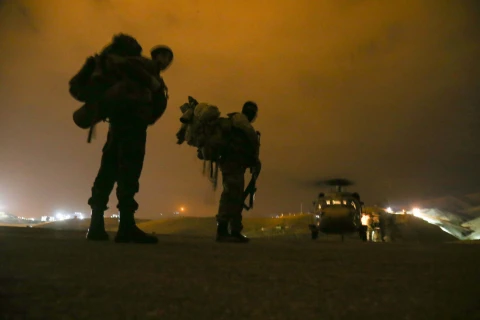
2017 has been a turning point for Turkey’s fight against terrorism as the diversity and differentiation of terror threats, the structural problems in security architecture and the lack of trust in international alliances forced Turkey to accelerate its efforts in this regard.
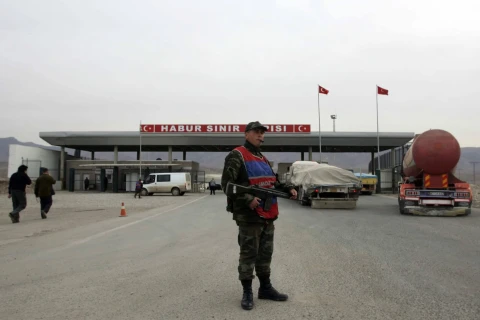
With the rights arising from the 1926 Treaty of Ankara, Turkey is expected to exercise pressure on the Iraqi central government and the KRG. Minimizing the activities of the Turkish Consulate General in Erbil and reducing the diplomatic relations with the KRG to minimum can also be expected.
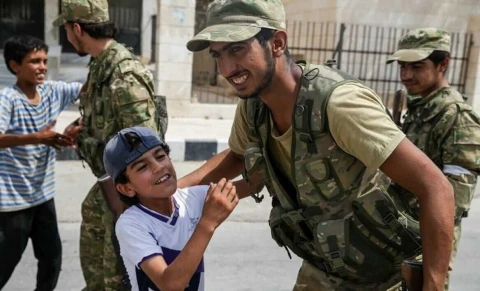
The Euphrates Shield is intended to create a terror-free zone cleared of Daesh and PYD/PKK terrorists by the setting of a security zone between Jarabulus and Azaz within 40 kilometers of northern Syria.
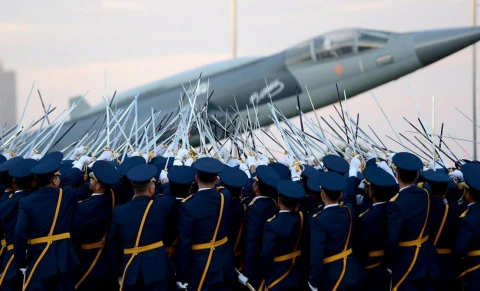
It was not until Fetullah Gülen that military tutelage began to be used as an instrument to take over state control in favor of the religious order. Gülenists began to infiltrate the army in the 1970s, but mass infiltration happened in the 1980s, following the military coup of 1980, and continuing during the 1990s and onwards.
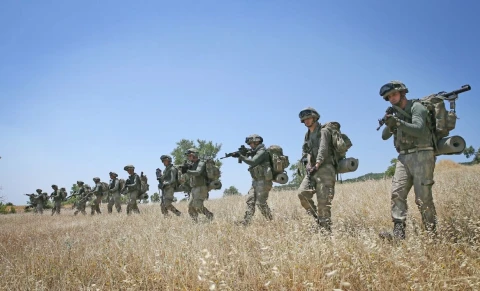
Internationally, Turkey can also revise its relations with NATO for a stronger position in the alliance. Traditional NATO policies over Turkey should be critically analyzed and alternative security alliances can be sought. At all dimensions, Turkey is capable of designing a perfect check and balance system. The current threat is not only the terrorism itself but also terrorist proxies within the state structure and regional security environments.
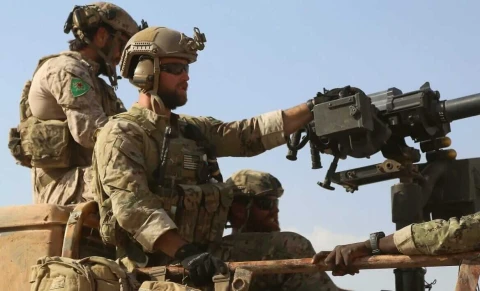
The US policy in northern Syria raises the question: could Turkey benefit more from a possible regional security alliance than US-orientated NATO policies?
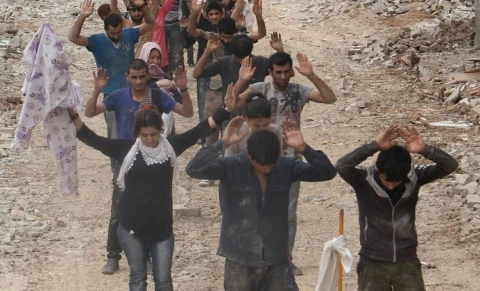
The PKK terrorists chose to surrender on mass to Turkish Security Forces following the long-running urban lawlessness in Nusaybin/Mardin. This could tempt the Turkish government and security forces to give a sigh of relief, but it should not be perceived as the end of the PKK.