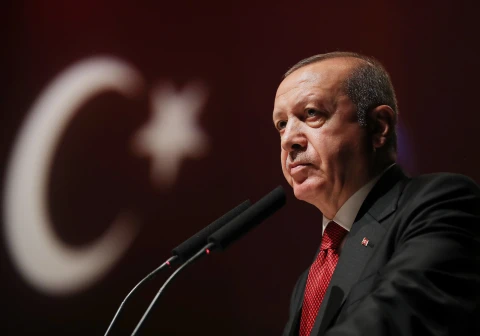
Is the Liberal Perspective Ahead of Turkish Politics?
What Turkey seeks in the first place is “normalization.” Only after the normalization process is completed economic growth is enabled, it will be possible to speak about liberalization.


What Turkey seeks in the first place is “normalization.” Only after the normalization process is completed economic growth is enabled, it will be possible to speak about liberalization.
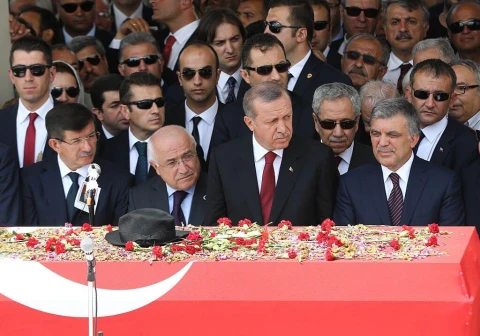
As journalists who closely follow Turkish politics, we are used to the inner debates and quests for new leaders within the Republican People’s Party following every election. But this ritual will be reversed in the morning of June 24 since our eyes will turn to the Justice and Development Party this time.
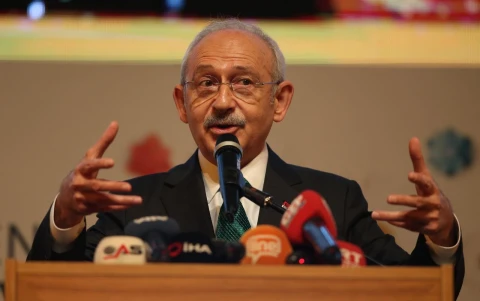
Kilicdaroglu's excuse for a possible defeat is already at hand. He will argue that the CHP failed due to the group divisions in the party, which accentuated their own identities rather than the party identity.
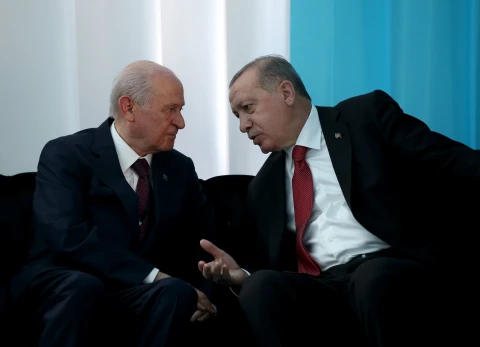
What makes the upcoming local elections more important than a simple vote to determine local administrators is the fact that the opposition is trying to make it ‘a referendum vote’ for the Turkish government. And this effort may lead to the most critical stage of a struggle in voter sociology, which has been long ongoing.
In the “Old Turkey,” to use the term coined by the AK Party, courts often examined the “aptness” of government decisions and acted as if they were opposition parties, banning certain behavior. It has been a long time since this situation was named “judicial tutelage” and many efforts were made to end it.
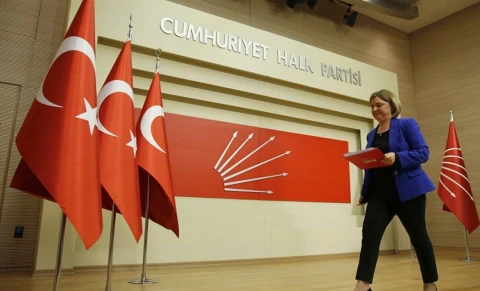
CHP could just as easily say it doesn’t care about who rules, and focus on its usual voter base and not bother with becoming the ruling party. If this is what the CHP is going to say, it is the end of our discussion. The decisions it makes in the coming days will show whether the party wants to become the ruling party in 2019.