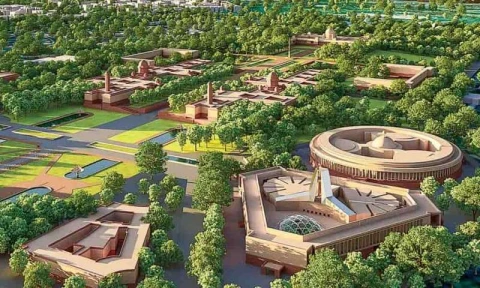
The Politics of Architecture: The Subtle Message of Buildings
Architecture goes beyond construction and serves as a powerful political medium. It tells the story of our past, reflects our present, and expresses our aspirations.


Architecture goes beyond construction and serves as a powerful political medium. It tells the story of our past, reflects our present, and expresses our aspirations.

The groundbreaking experiments of Stanley Milgram and Philip Zimbardo reveal the disturbing capacity of ordinary people to commit acts of cruelty.

In today's world, the veil retains its complex status as a strong symbol of tradition, identity, and self-determination.

The media attempts to downplay the message of Sound of Freedom through sensationalist and tabloid-style coverage similar to the Jeffrey Epstein case.
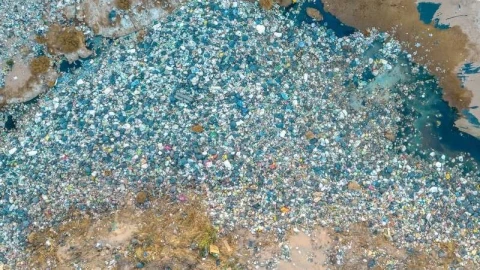
Not only are microplastics ubiquitous, they have the potential to invade multiple ecosystems, from the depths of the oceans to the intricate pathways of human biology.
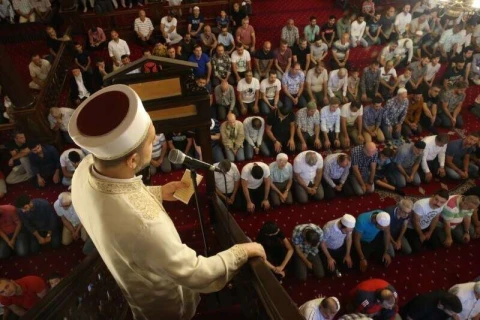
An intriguing trend has emerged among Western Muslims: more of them are moving and settling in Turkey. This migration, often referred to as "hijra," aims to allow them to practice Islam more openly and without fear or restrictions.

Recent joint Russian-Chinese naval operations take on new significance amid current global tensions.
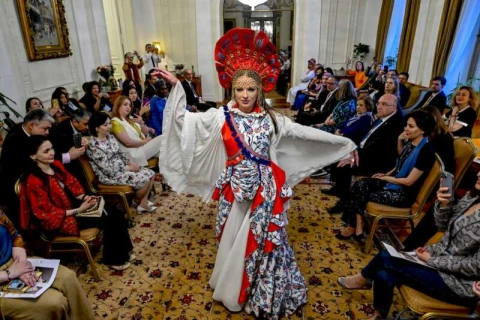
A closer look reveals that the exchange between politics and fashion goes far beyond the trivial and has profound implications for diplomacy and soft power.
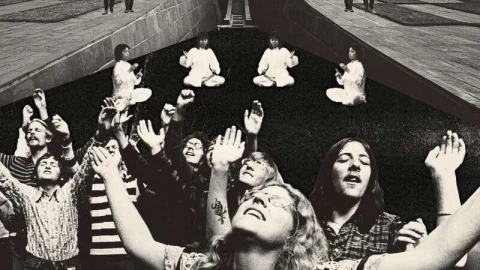
In the heart of Kenya's Shakahola Forest, a shocking discovery has unearthed a haunting story of tragedy and fanaticism.