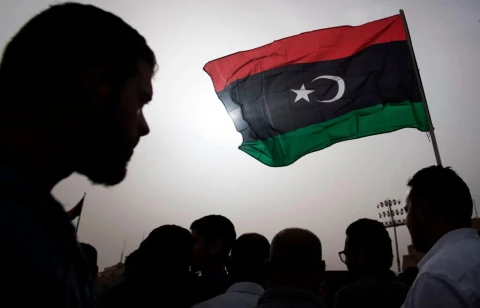
The Libya Crisis and the Future of Khalifa Haftar
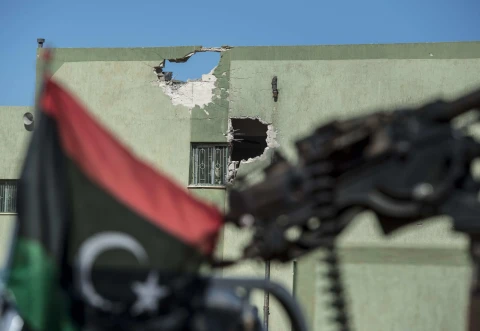
Haftar's entry to Tripoli and seizure of the administration via weapons will create an environment where extremist and radical groups will expand their area of influence in Libya and North Africa.


Haftar's entry to Tripoli and seizure of the administration via weapons will create an environment where extremist and radical groups will expand their area of influence in Libya and North Africa.
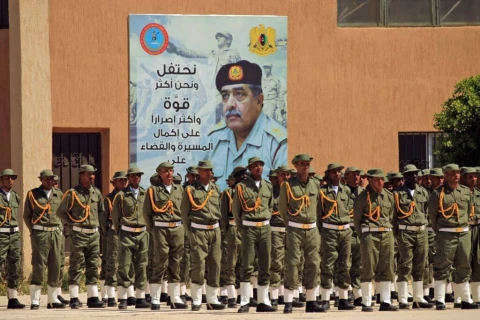
The Libyan crisis is a project designed with the help of international actors. The final solution is out of question unless sharing the region between regional and global actors becomes apparent.
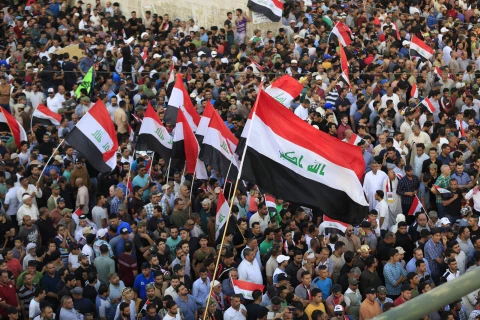
U.S. regional allies, the Israel-Gulf bloc’s demands toward breaking Iran’s regional influence and the rigidity of U.S. President Trump’s steps to that end will determine the rigidity of Iran’s counter maneuvers. If confronted with harsh steps, Iran will attempt to use its influence on Iraq to break the pressure on itself. While the U.S. will prefer actors in Iraq that will leave Iraq out of this tension by narrowing Iran’s sphere of influence, Iran will prefer actors that will act in its favor.
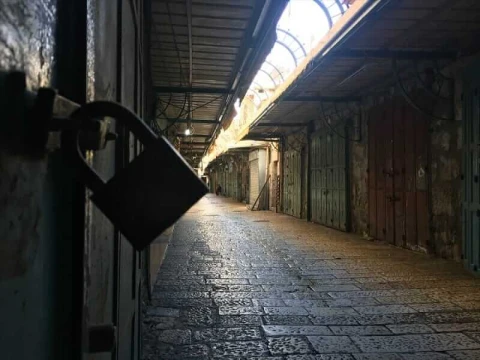
The failure of the Saudi-UAE axis in regards to the Jerusalem issue illustrates the fact that this group is in search for an order in the region, which includes the re-design of the Palestine-Israel issue.
The approval of Salamé’s roadmap is crucial for Haftar, as it will give start to a political process that will thwart Haftar's strategy of “militarizing the state.” Similarly, it creates political risks for regional actors that have supported Haftar up until now.