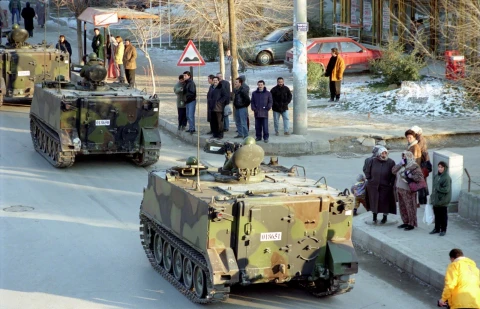
An Alternative View of the 28 February Coup
What was the February 28 coup? It was a special moment in Turkish politics. It was a moment of the political. The political moment showed that the Kemalist regime is neither eternal nor natural.


What was the February 28 coup? It was a special moment in Turkish politics. It was a moment of the political. The political moment showed that the Kemalist regime is neither eternal nor natural.
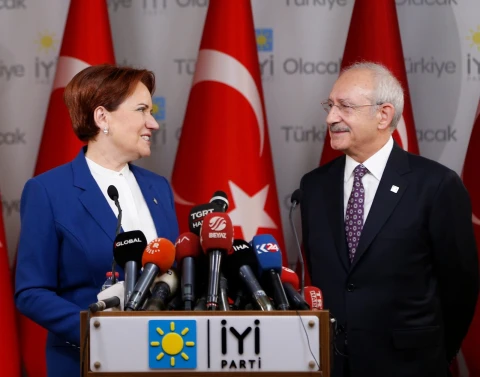
Despite the rising public displeasure with the existing ruling power, the opposition seems to fail to offer itself as an alternative in the elections.
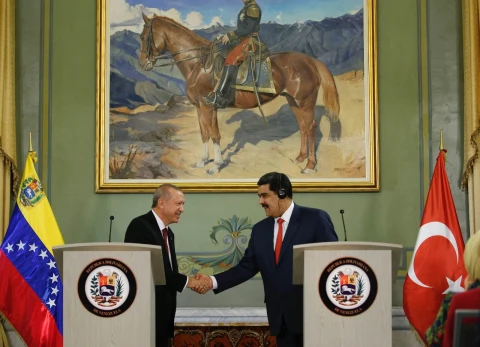
Turkey and Venezuela share this political model: democracy at home, autonomy abroad. They support each other since they share similar interests and values. Hence, there is no need to be surprised about Turkey’s support for President Maduro or denigrate it as third-worldism.
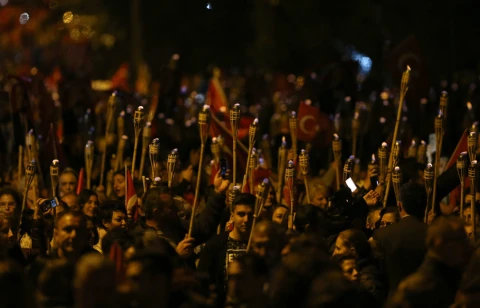
In light of this picture, the claim or the fact that some educated and wealthy people have left the country can be evaluated as the acceptance of the loss of political struggle by the elitist against populist politics. It is a sign of defeatism, if not a sign of caprice.

If the lack of liberty, disrespect for merit, and an economic slowdown are not the reasons behind the educated and wealthy peoples’ decision to leave the country, then what is?
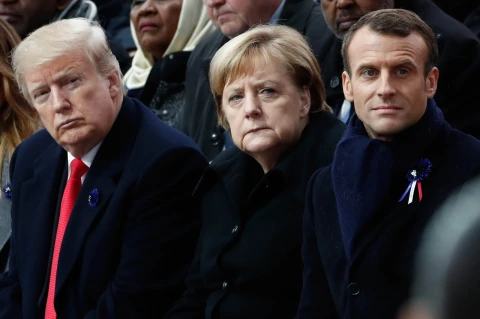
Does the fray over European security between the U.S. and the EU demonstrate a return of Europe to great power politics?
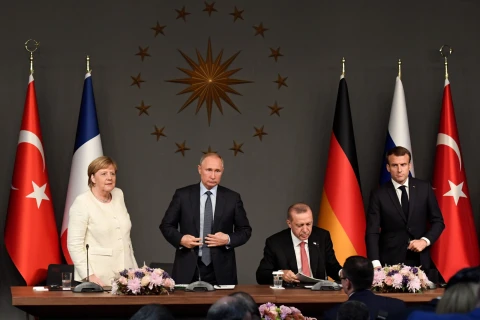
Turkey's policy of keeping and enlarging its military presence in Syria has two aims: Sustaining Turkey’s national security against YPG and Daesh terror and achieving democratic change in Syria.
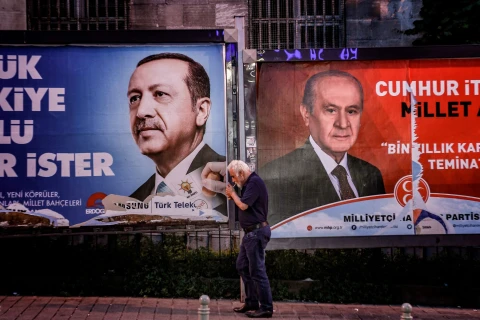
It is too early to talk about the future of the People’s Alliance. However, it is fair to state that unless the conditions that had formed the Alliance change, it will maintain its existence with periodical fluctuations.
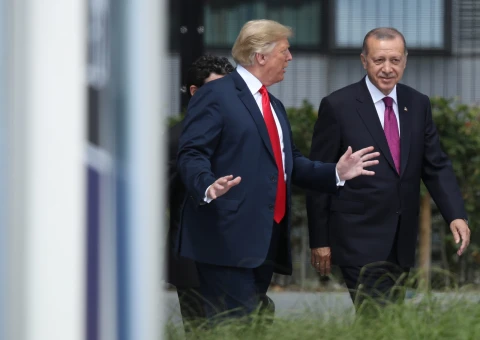
President Erdogan signaled a new wave of military operations in the south of the country and stated that Turkey was adamant to cleanse the east of the Euphrates River from all terrorist (PKK) elements. This, no doubt, will be a new test on how “healthy” the relations between Turkey and the U.S. are.
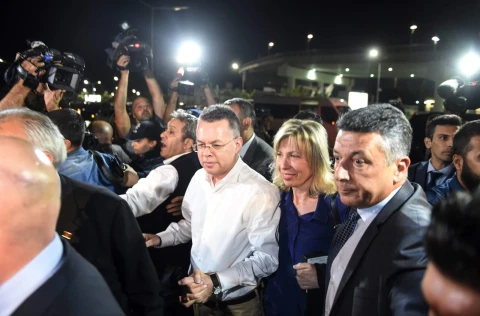
The most striking feature of the Brunson case is that the U.S. has resisted to understand Turkey’s new foreign policy, and this led to a crisis between the two countries.
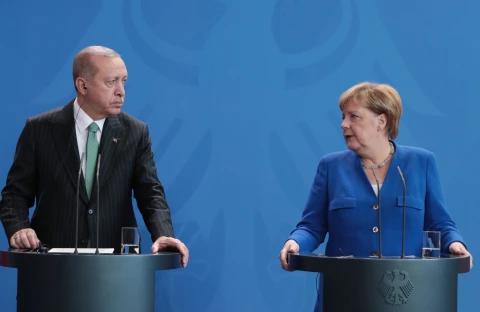
Turkey can rightly expect for the EU, and in particular for Germany, to leave its ideological foreign policy and to act in accordance with new international realities that are defined by multipolarity and rationality.
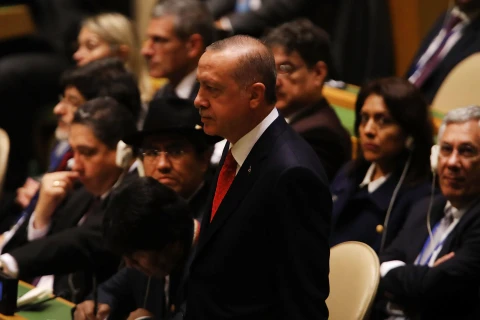
The question of whether Turkey will live up to its claim of being a great power in coming years is as interesting as the question of how the Western world and other great powers will accommodate “new” Turkey.